Complete Guide to Diabetes Symptoms, Blood Sugar & Treatment
Key Takeaways
- Diabetes affects how the body regulates blood sugar. Diabetes develops when the body cannot properly produce or use insulin to control glucose levels.
- Early diabetes symptoms may be easy to overlook. Increased thirst, fatigue, blurry vision, frequent urination, and unexplained weight changes are common warning signs.
- Blood sugar management helps prevent complications. Proper diabetes treatment may reduce the risk of nerve damage, kidney disease, heart disease, and vision problems.
- Type 1 and Type 2 diabetes require different treatment approaches. Accurate diagnosis helps determine appropriate medications, insulin therapy, nutrition strategies, and long-term management.
- Endocrinologists specialize in diabetes and hormone-related disorders. Endocrinology providers diagnose and manage diabetes, insulin resistance, metabolic conditions, and blood sugar disorders.
- Prime HealthCare provides diabetes and endocrinology care across Connecticut. Our endocrinology specialists help patients manage diabetes, blood sugar imbalance, and metabolic health throughout Hartford and surrounding communities.
Request an Appointment(opens in a new tab)
What Is Diabetes?
Diabetes is a chronic medical condition that affects how the body processes blood sugar, also called glucose.
Glucose is one of the body’s primary energy sources. According to the Centers for Disease Control and Prevention(opens in a new tab), diabetes develops when the body either does not produce enough insulin or cannot effectively use insulin.
Insulin is a hormone produced by the pancreas that helps move glucose from the bloodstream into the body’s cells.
Without proper blood sugar regulation, glucose levels may remain elevated and increase the risk of long-term health complications.
Patients often begin by learning about early signs of diabetes(opens in a new tab) before seeking evaluation for blood sugar concerns.
Common Symptoms of Diabetes
Diabetes symptoms may develop gradually and sometimes remain unnoticed during the early stages of disease.
Frequent Urination
High blood sugar levels may cause the kidneys to work harder, increasing urination frequency.
Excessive Thirst
Increased fluid loss from frequent urination often leads to excessive thirst and dehydration.
Fatigue and Low Energy
When glucose cannot properly enter cells for energy, patients may experience fatigue and weakness.
Blurred Vision
Blood sugar fluctuations can temporarily affect the shape of the eye’s lens and alter vision.
Unexplained Weight Changes
Unexpected weight loss or weight gain may occur depending on the type and severity of diabetes.
Patients commonly explore how diabetes affects fatigue and weight changes(opens in a new tab) when evaluating persistent metabolic symptoms.
Type 1 vs Type 2 Diabetes
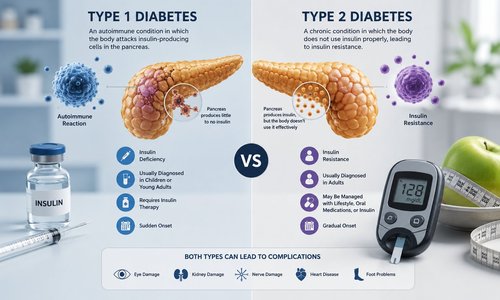
Type 1 and Type 2 diabetes involve different causes, risk factors, and treatment approaches.
Type 1 Diabetes
Type 1 diabetes is an autoimmune condition in which the immune system attacks insulin-producing cells in the pancreas.
Patients with Type 1 diabetes typically require insulin therapy.
Type 2 Diabetes
Type 2 diabetes develops when the body becomes resistant to insulin or does not produce enough insulin to maintain normal blood sugar levels.
Risk factors may include:
- family history of diabetes
- obesity
- physical inactivity
- metabolic syndrome
Many patients compare Type 1 versus Type 2 diabetes(opens in a new tab) to better understand blood sugar disorders and treatment differences.
What Causes High Blood Sugar Levels?
High blood sugar, also called hyperglycemia, may develop for several reasons.
According to the National Institute of Diabetes and Digestive and Kidney Diseases(opens in a new tab), blood sugar imbalance may result from insulin resistance, insufficient insulin production, dietary factors, illness, medications, or unmanaged diabetes.
Common causes of elevated blood sugar include:
- insulin resistance
- high carbohydrate intake
- physical inactivity
- stress hormones
- certain medications
Patients frequently research what causes high blood sugar levels(opens in a new tab) after abnormal glucose testing.
How Diabetes Is Diagnosed
Diabetes is diagnosed using blood tests that evaluate glucose levels and long-term blood sugar control.
Common diabetes tests may include:
- fasting glucose testing
- A1C testing
- oral glucose tolerance testing
- random blood glucose testing
The American Diabetes Association(opens in a new tab) explains that the A1C test measures average blood sugar levels over approximately three months.
Patients often review whether fasting is required for diabetes blood tests(opens in a new tab) before laboratory appointments.
Diabetes Treatment Options
Diabetes treatment focuses on blood sugar control, symptom management, and prevention of complications.
Lifestyle Changes
Nutrition planning, physical activity, weight management, and sleep health are important components of diabetes care.
Blood Sugar Monitoring
Some patients monitor glucose levels regularly using home glucose monitors or continuous glucose monitoring systems.
Medications and Insulin Therapy
Some individuals require oral medications, injectable medications, or insulin therapy depending on diabetes type and severity.
Long-Term Endocrinology Care
Patients with complex diabetes or blood sugar instability may benefit from ongoing endocrinology management.
Complications of Uncontrolled Diabetes
Untreated or poorly controlled diabetes may increase the risk of serious health complications.
Potential complications include:
- heart disease
- kidney disease
- nerve damage
- vision loss
- circulation problems
According to the CDC(opens in a new tab), early diagnosis and blood sugar management can help reduce long-term diabetes complications.
Endocrinology Care Across Connecticut
Prime HealthCare provides diabetes and endocrinology care for patients throughout Hartford and surrounding Connecticut communities.
- East Hartford Endocrinology(opens in a new tab)
- Enfield Endocrinology(opens in a new tab)
- Glastonbury Endocrinology(opens in a new tab)
- South Windsor Endocrinology(opens in a new tab)
- West Hartford Endocrinology(opens in a new tab)
Why Trust Prime HealthCare?
Prime HealthCare provides comprehensive endocrinology and diabetes care for patients experiencing blood sugar disorders, insulin resistance, metabolic conditions, and hormone-related health concerns throughout Connecticut. Our endocrinology specialists evaluate both common and complex diabetes conditions using evidence-based testing and individualized treatment strategies.
Patients receive guidance focused on improving blood sugar control, reducing long-term health risks, and supporting sustainable metabolic health. Our providers help patients understand diabetes symptoms, laboratory testing, insulin management, nutrition considerations, and long-term treatment planning in a patient-focused environment.
Prime HealthCare’s endocrinology team includes experienced providers such as Jorge Diez, MD(opens in a new tab), Adarsh Jha, MD(opens in a new tab), and Jeremy Baker, PhD, PA-C(opens in a new tab), who provide endocrinology and diabetes care across multiple Connecticut locations.
With multiple endocrinology offices serving Hartford and surrounding communities, Prime HealthCare helps patients access specialized diabetes and metabolic care closer to home.
Schedule a Diabetes Evaluation in Connecticut
Persistent fatigue, abnormal blood sugar levels, unexplained weight changes, or ongoing metabolic symptoms may indicate diabetes or blood sugar imbalance requiring medical evaluation.
Prime HealthCare provides comprehensive endocrinology care in Connecticut(opens in a new tab) for patients experiencing diabetes, blood sugar disorders, and metabolic conditions. Schedule an appointment with our endocrinology specialists today.
Book an Appointment(opens in a new tab)
Frequently Asked Questions
What are the first signs of diabetes?
Common early signs of diabetes include increased thirst, frequent urination, fatigue, blurry vision, and unexplained weight changes.
What is the difference between Type 1 and Type 2 diabetes?
Type 1 diabetes is an autoimmune condition requiring insulin therapy, while Type 2 diabetes commonly develops from insulin resistance and metabolic dysfunction.
What blood tests diagnose diabetes?
Common diabetes tests include fasting glucose testing, A1C testing, oral glucose tolerance testing, and random blood glucose testing.
Can diabetes cause fatigue?
Yes. Blood sugar imbalance can affect how the body produces and uses energy, commonly leading to fatigue and weakness.
When should I see an endocrinologist for diabetes?
You should consider endocrinology care if you have persistent abnormal blood sugar levels, difficulty controlling diabetes, or symptoms of metabolic imbalance.